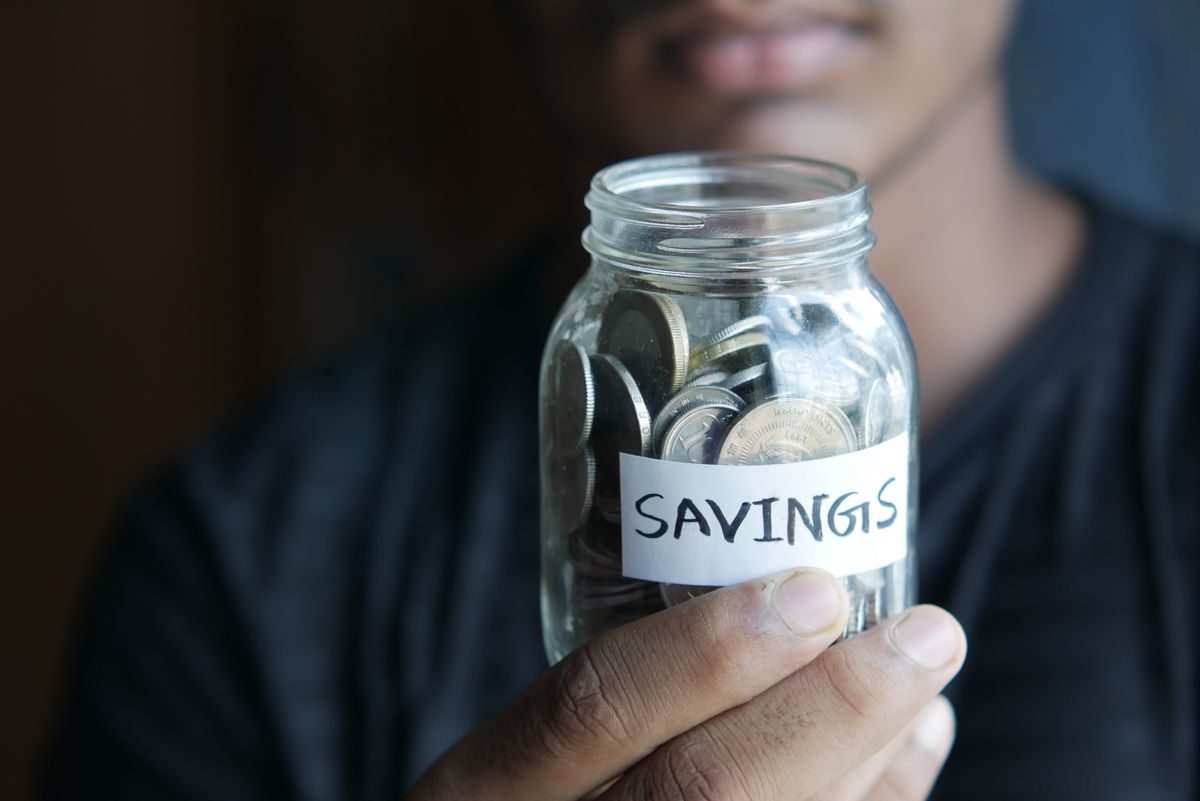
Here’s the idea in plain English. This article explains “The Psychology of Goal‑Setting (Money Edition)” using clear steps, examples, and short checklists so you can apply it today without guessing.
This guide focuses on defining amounts, dates, and constraints you can stick with. Use the planner to convert intent into a dated schedule you can print and follow.
Common Pitfalls
In practice: here’s how to use the items below and why they matter.
Changing frequency mid‑month without updating dates.
Relying only on round‑ups instead of a base deposit.
Forgetting to account for irregular bills (car tags, school fees).
Setting deposits on payday mornings (risk of timing mismatch).
Quick Checklist
Run this quick checklist—if anything fails, fix that item before moving on.
Pick a clear amount and a target date.
Enter current saved and optional one‑time boost.
Match deposit frequency to your pay pattern.
Decide on round‑ups; keep them in addition to deposits.
Print your weekly plan and post it somewhere you see daily.
Mini FAQ
What if a paycheck is smaller than usual?
Keep a minimum “habit amount” (even $5) to preserve momentum, and catch up with a one‑time boost next week.
Should I include APY in my plan?
If your account pays interest, include it as a tailwind—but schedule still does most of the work.
How do I avoid overdrafts?
Set transfers 1–2 days after payday and keep a small checking buffer (e.g., $100).
What if I miss a deposit?
Log it, then resume. Add a tiny catch‑up amount rather than abandoning the plan.
Case Study: Goal Design in Action
A worker targets $1500 in 5 months. They set a $50 weekly base deposit, enable round‑ups, and add a $125 one‑time boost from a weekend sale. The finish date stays on track even when one week dips, because a small make‑up deposit preserves the habit loop.
Goal Architecture & Motivation
This article extends The Psychology of Goal‑Setting (Money Edition) with a field‑tested system. We emphasize action you can sustain week after week.
Goal Architecture
Write a one‑sentence identity statement: “I’m the kind of person who sets a date and finishes.” Then design the plan around that identity.
If‑Then Plans that Work
In practice: here’s how to use the items below and why they matter.
If I get paid, then the first transfer happens the next morning.
If I overspend, then I move $5 from a non‑essential category to savings.
If I feel stuck, then I do a 3‑minute review, not a full overhaul.
Anti‑Procrastination Scripts
Try this wording: speaking a short line out loud can make the behavior easier to start.
“I will do the minimum now; future me can add more.”
“Make the browser open the bank page, not social.”
Celebration Rules
Pair each deposit with a tiny ritual (check a box, add a sticker, tell a friend). Reinforcement beats willpower.
Motivation Diary
After each deposit, write one sentence: what helped or hindered. Review weekly and remove one friction point.
Last updated: 2025-11-02
Commitment Architecture Canvas
Draft your goal using four boxes: Identity, Constraints, Triggers, and Rewards.
Box
Prompt
Example
Identity
Who are you becoming?
“A finisher who keeps dates.”
Constraints
What limits shape the plan?
$30/week max; no weekend transfers
Triggers
What starts the action?
Calendar alarm named “Move $25”
Rewards
How do you reinforce?
Check mark + short note to self
Anti‑Frictions List
In practice: here’s how to use the items below and why they matter.
Shorten the login path (password manager).
Prepare a default deposit amount to avoid decision fatigue.
Keep a “why this matters” sentence in your notes app.
Last updated: 2025-11-02
Myths vs Facts
Reality check: replace common myths with facts so you don’t overthink the process.
Myth: “I need motivation first.” → Fact: action sparks motivation.
Myth: “Missing a week ruins it.” → Fact: a floor deposit preserves identity.
Myth: “Goals must be exciting.” → Fact: boring systems win long term.
One‑Paragraph Goal Charter
I commit to finishing on time by automating a base deposit, logging each move, and running a tiny review every Friday. If I miss, I send the floor and keep going—no drama.
Updated 2025-11-03
Motivation Micro‑doses
Seed small cues that nudge action without effort.
Rename checking account: “Fuel for 2025-11-03”
Sticker after deposit; color = mood
Tell one friend the date; keep it light
Constraint Sandbox
Test a constraint for 10 days, then keep or discard.
Constraint
Why
Keep?
No weekend transfers
Reduce impulsive changes
—
Max $30 base
Protect cashflow
—
Stamped: 2025-11-03
Identity Anchors
Create a tiny phrase you repeat while transferring: “On time, every time.” Tie it to a posture (sit up, breathe once) to strengthen the cue.
Decision Shortcuts
How to use this: start at the top and follow the arrows. Each step tells you the next best action.
Default amount: your base deposit in memory, no math.
Fallback day: the next best slot if today slips.
One edit rule: change only amount or date, never both at once.
Checkpoint: 2025-11-03
Role‑Play Scripts
Scenario: impulse buy before deposit.
You: “Deposit first, treat later.”
Phone: opens bank transfer
You: move base amount; log a 6‑word note
Result: urge fades, plan stays intact
Identity Checkpoints
In practice: here’s how to use the items below and why they matter.
Say the phrase: “I finish on time.”
Do the action: a floor deposit when stressed.
Record the proof: a one‑line note.
Checkpoint date: 2025-11-03
Commitment Device Menu
In practice: here’s how to use the items below and why they matter.
Bank nickname: “On‑Time Savings.”
Public promise to one friend via text.
Sticker ritual after each deposit.
Self‑Talk Rewrites
Swap these lines when friction spikes.
“Too small to matter” → “The floor keeps my streak alive.”
“I’ll fix it later” → “Two minutes now, done.”
“I blew it” → “Resume with the floor, adjust next week.”
Check‑in: 2025-11-03
Trigger Library (Tiny Cues)
In practice: here’s how to use the items below and why they matter.
Calendar alert named “Send the floor”.
Wallet note with your one‑sentence “why”.
Homescreen widget pointing to bank transfer.
Framing Swaps
Replace harsh self‑talk with action‑focused lines.
“I failed” → “I kept the streak alive.”
“Too busy” → “Two minutes buys peace.”
“I’ll catch up later” → “Floor today; plan tomorrow.”
Language update 2025-11-03
Last clarified on 2025-11-03 for easier reading.
We use cookies to analyze traffic and personalize ads. Manage your choices anytime in Privacy.